
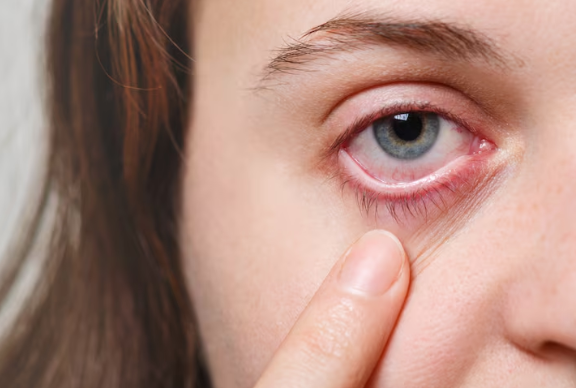
Dry eye syndrome is a prevalent yet often overlooked issue affecting millions worldwide. It arises when the eyes fail to produce sufficient tears or the tears evaporate too quickly. Many factors contribute to dry eye, including aging, environmental conditions, and underlying health issues. Understanding these nuances can significantly enhance treatment effectiveness. This article delves deeply into the various treatment options tailored to specific symptoms, providing insights into how to best address this condition.
Over-the-Counter Treatments for Dry Eye Relief
When exploring treatment options, many people first turn to over-the-counter solutions, which are accessible and effective for mild to moderate symptoms. Artificial tears are among the most commonly used treatments, designed to mimic natural tears. They provide immediate lubrication but vary in formulation; thicker drops may provide longer-lasting relief at the expense of causing temporary blurriness. In contrast, thinner drops offer a more natural feel but require more frequent application.
For more substantial relief, especially at night, eye ointments and gels can be beneficial. These thicker solutions create a protective layer over the eyeball, preventing moisture loss while you sleep. The application should ideally occur just before bedtime to avoid daytime blurriness.
- Warm compresses: Applying a warm washcloth over closed eyelids can help unclog blocked oil glands, improving tear film quality.
- Omega-3 supplements: Research suggests that omega-3 fatty acids can help reduce inflammation and enhance tear quality over time.
- Lifestyle modifications: Simple changes, like increasing fluid intake and taking regular breaks from screens, can yield significant improvements.
While these over-the-counter options can be effective, it’s important for individuals to consult with an eye care professional if symptoms persist, as they may indicate a more serious underlying condition that requires further intervention.
Prescription Treatments: Targeting Underlying Issues
For those experiencing moderate to severe dry eye symptoms, prescription treatments often become necessary. These therapies are specifically designed to tackle underlying causes such as inflammation and inadequate tear production. Prescription eye drops like Restasis and Xiidra are built to reduce inflammation on the eye’s surface, facilitating the restoration of natural tear production. Typically, these medications show their full benefits after a commitment of 6 to 12 weeks.
Another notable option is Tyrvaya, a groundbreaking nasal spray that stimulates natural tear production through specific nerve pathways. This innovative treatment provides an alternative for patients who struggle with conventional eye drops, often producing results within days.
| Treatment | Type | Mechanism of Action |
|---|---|---|
| Restasis | Topical Eye Drops | Reduces inflammation and promotes tear production |
| Xiidra | Topical Eye Drops | Reduces inflammation on the ocular surface |
| Tyrvaya | Nasal Spray | Stimulates natural tear production via nerve pathways |
Corticosteroid drops can also provide short-term relief during flare-ups by rapidly reducing severe inflammation. However, given potential side effects such as increased intraocular pressure, they should be used judiciously and under the guidance of an eye care professional.
In-Office Procedures for Persistent Dry Eye
For individuals with persistent symptoms that do not respond to conventional treatments, in-office procedures may be the best solution. These interventions aim to address the root causes of dry eye, often reducing the need for daily medication. One notable option is punctal plugs, tiny devices inserted into the tear drainage ducts to prolong tear retention on the eye’s surface. This painless procedure can be temporary or permanent, depending on the patient’s needs.
LipiFlow is another effective treatment that employs controlled heat and gentle pressure to unblock eyelid oil glands, improving tear quality and providing significant relief for many sufferers of Meibomian Gland Dysfunction. Many report lasting benefits for several months post-treatment.
Additionally, Intense Pulsed Light (IPL) therapy targets inflammation in the eyelids, enhancing oil gland functionality. This treatment often requires multiple sessions but can provide prolonged benefits, making it an attractive option for those suffering from ocular rosacea or chronic dry eye conditions.
As these advanced treatments gain traction, patients are encouraged to discuss their options with eye care practitioners to find the most suitable approach tailored to their specific symptoms and conditions.
Long-Term Management and Lifestyle Adjustments
Effective management of dry eye goes beyond treatments; it also incorporates vital lifestyle adjustments. Simple daily habits can significantly impact eye comfort and health. Integrating scleral lenses, specifically designed to create a fluid reservoir over the cornea, can provide immense comfort and protection for those with severe symptoms. This advanced contact lens option is particularly useful for individuals with corneal irregularities.
Another innovative therapy includes the use of amniotic membrane grafts, which can promote healing of the eye’s surface when it sustains significant damage. This advanced biological approach is reserved for the most severe cases and can aid in restoring tissue and comfort.
Say goodbye to dry eyes. Discover Ideo by Leoncio Gonzalez.