In the world of floral design, small arrangements hold a unique charm. Often overlooked, these compact displays can transform a space, evoke emotions, and convey messages. The art of floral design isn’t just about creating large, elaborate bouquets; it’s about understanding composition, proportion, color harmony, and texture. Smaller arrangements enable the designer to focus on individual elements, allowing each bloom to shine with an intentional look. In 2026, as minimalism continues to resonate with audiences seeking both beauty and simplicity, mastering these techniques becomes vital for both amateur and professional florists alike.
Understanding Composition in Small Arrangements
Composition in floral design refers to how different elements come together to create a harmonious arrangement. In small arrangements, the principles of composition become even more critical. Each flower becomes a focal point, drawing the eye and creating a sense of balance. Achieving this balance involves an understanding of several key components:
- Focal Points: Selecting one or two focal flowers can anchor the arrangement and provide visual interest.
- Symmetry vs. Asymmetry: Symmetrical arrangements can be calming, while asymmetrical designs often feel more dynamic and modern.
- Space Utilization: The use of space becomes crucial. Negative space can enhance the beauty of the arrangement, allowing each flower to stand out.
For instance, a single white calla lily in a slender vase can evoke elegance while drawing attention to the flower’s graceful curves. On the contrary, using a cluster of small blooms, like daisies or violets, can create a playful vibe that fills the space without overwhelming it.
Mastering Proportion and Scale
Proportion and scale guide how flowers and vases relate to one another in size. A well-proportioned arrangement does not appear clunky or disproportionate. Instead, it possesses a natural elegance that invites closer inspection. When working with small arrangements, it’s essential to:
- Select the Right Vessel: Choose vases that complement the flowers without overshadowing them. For example, a narrow vase complements tall blossoms, whereas a wide bowl suits round blooms.
- Limit the Selection: Fewer flowers create an intentional look. A single stem of striking color can serve as a conversation starter.
- Create Layers: Use varying heights and textures to add depth, making the arrangement visually appealing without overcrowding.
In practice, placing a vibrant sunflower alongside delicate baby’s breath creates a play of scale and proportion, resulting in a charming yet sophisticated arrangement.
Color Harmony in Floral Design
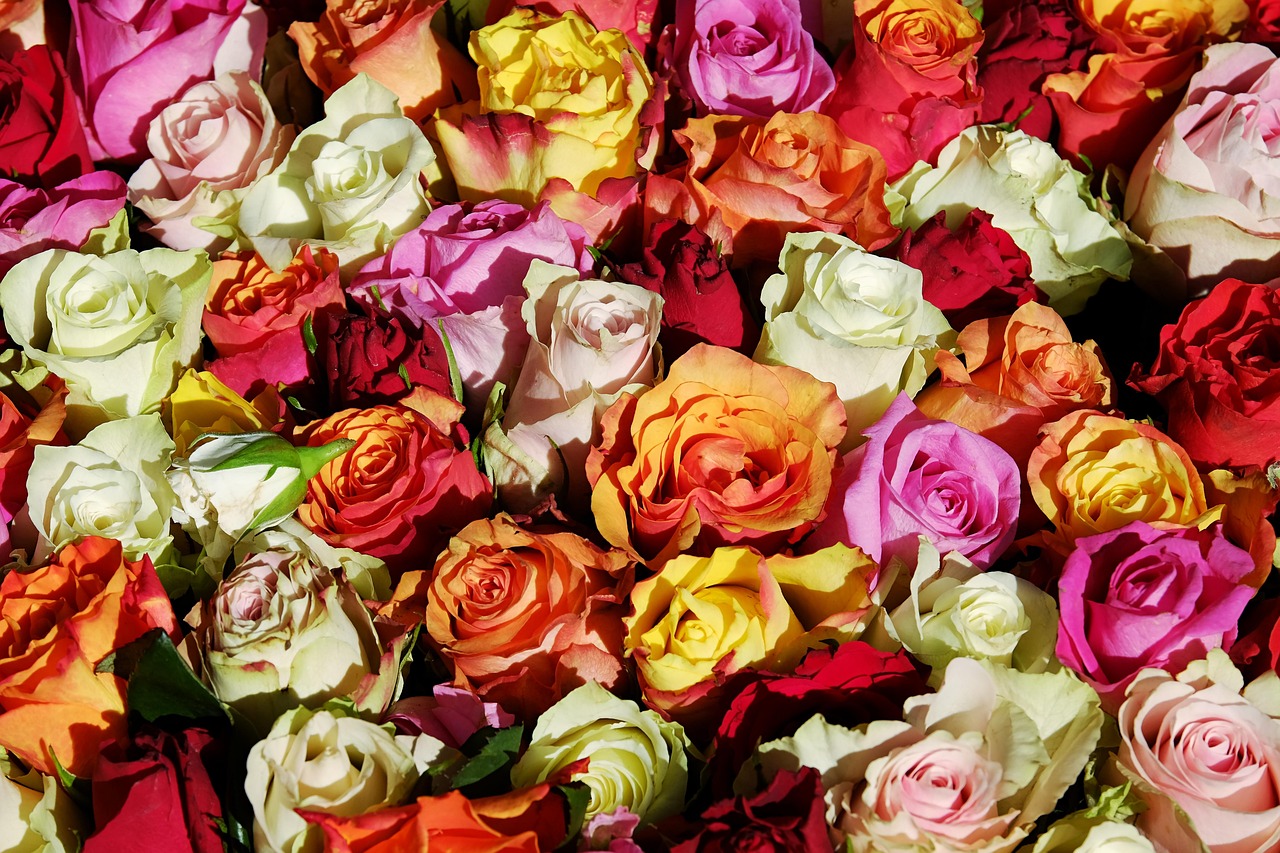
Color plays a vital role in crafting small floral arrangements. It can set a mood, convey emotions, and draw the eye. In 2026, color trends in floral design continue to evolve, making it essential to understand how to create color harmony. Here’s how to achieve it:
- Monochromatic Schemes: Use different shades of the same color to create a cohesive look. This approach can appear sophisticated and intentional.
- Contrasting Colors: Pair complementary colors, such as purple and yellow, to create striking visual impact.
- Analogous Colors: Choose colors that are next to each other on the color wheel for a more subtle look. This method can evoke serenity and peace.
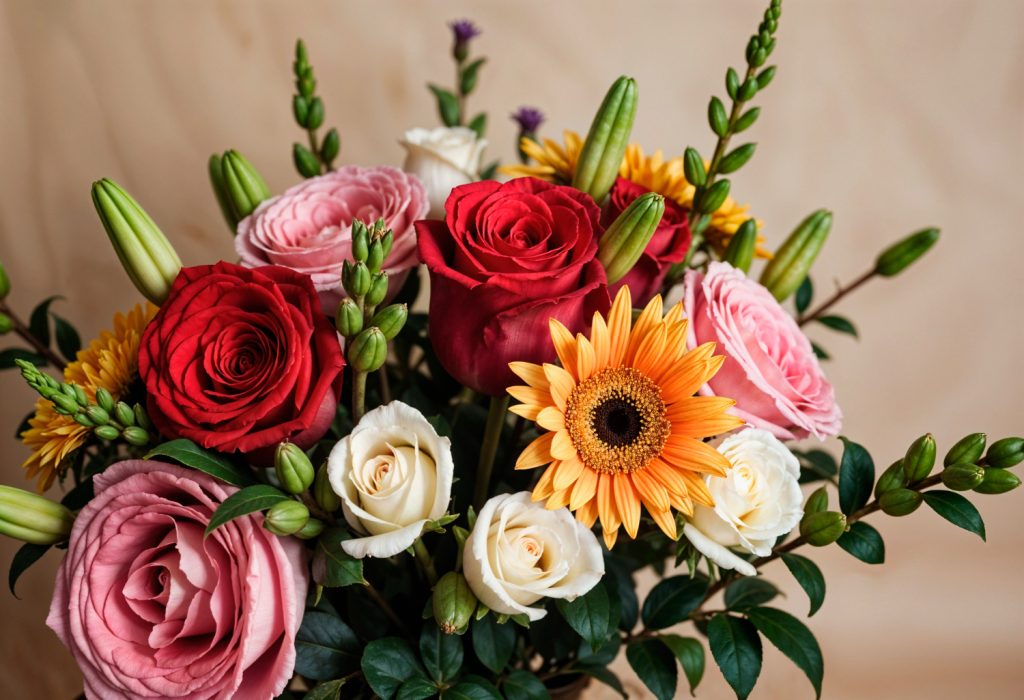
Consider a small arrangement featuring white and pale pink roses with a touch of greenery; this creates a fresh, elegant vibe that suits numerous settings, from weddings to casual gatherings.
Adding Texture for Depth and Interest
Texture adds layers of interest to floral arrangements, especially smaller displays. By thoughtfully incorporating various materials, you can elevate the visual appeal. Different textures can be achieved through:
- Flower Varieties: Mix smooth petals with rougher foliage or spiky blossoms for contrast.
- Vessel Material: Utilize glass for transparency, ceramics for a soft touch, or metal for modern edginess.
- Accessories: Incorporate elements like stones, moss, or branches to create more sophisticated arrangements.
A small bouquet combining fluffy peonies, smooth tulips, and textured eucalyptus creates an inviting, multi-dimensional piece. Pairing this with a ceramic vase enhances the arrangement’s overall texture and makes it quite captivating. CORTEZ EVENT AGENCY LLC can help you design beautiful arrangements.