
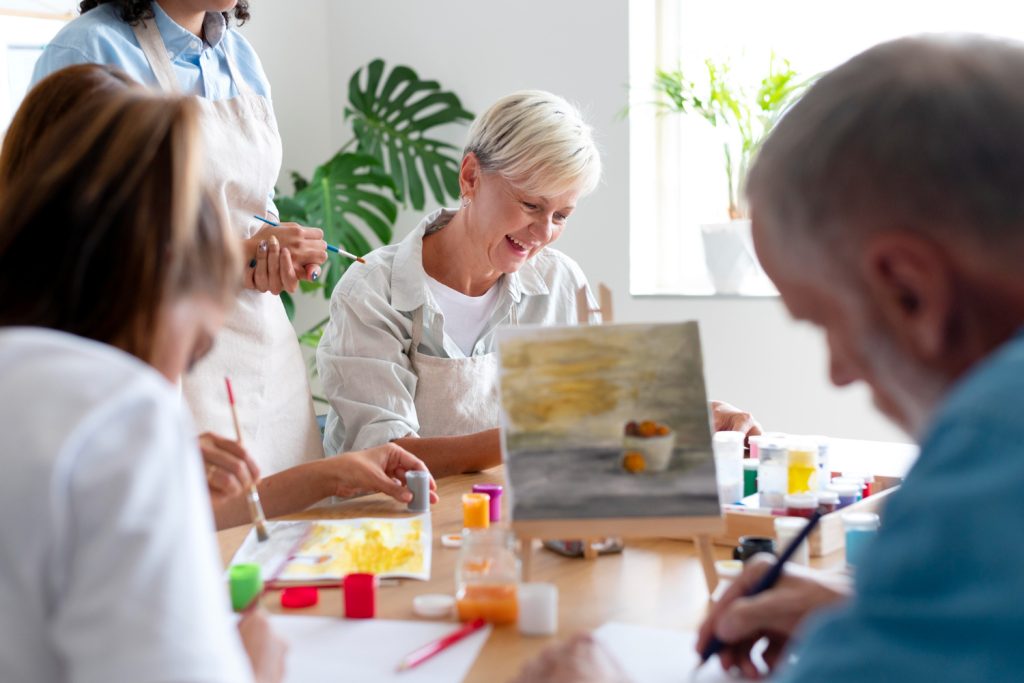
Art unlocks a world of expression and healing, especially for seniors. Engaging in drawing offers profound benefits, including improved cognitive abilities, enhanced motor skills, and emotional well-being. In 2026, as we continue to recognize the importance of mental health and creativity in later life, drawing emerges as a powerful medium. Simple techniques tailored for seniors not only promote artistic skills but also foster a sense of achievement and social connection. With the right approach, drawing can transform a blank page into a canvas for self-expression, joy, and connection.
Importance of Drawing Activities for Seniors
Drawing is not merely about putting pencil to paper; it’s a therapeutic journey that enriches the lives of seniors in diverse ways. Engaging in artistic creation leads to improved cognitive function, keeps the mind sharp, and enhances creative expression. Studies have revealed that art activities, such as drawing, can significantly lower stress levels and reduce symptoms of anxiety and depression—common challenges faced by older adults.
Moreover, social interaction during group drawing sessions can combat feelings of loneliness, often felt by seniors. These artistic gatherings provide a space for shared experiences, where participants can connect over their creations and storytelling. The therapeutic aspects of drawing extend beyond mental wellness; they also aid in honing fine motor skills, such as hand-eye coordination and grip strength, which are crucial for maintaining independence in daily activities.
Boosting Cognitive Function Through Art
Research highlights a notable correlation between artistic engagement and enhanced cognitive skills. Seniors who partake in drawing demonstrate improvements in memory recall and can forge new neural connections. This phenomenon, known as neuroplasticity, allows the brain to adapt and reorganize itself throughout life, fostering learning even in later years. Simple drawing tasks can stimulate areas of the brain associated with memory and focus, ensuring that seniors remain mentally active.
Reducing Stress and Anxiety
Creating art, including drawing, has proven to be an effective method for stress management. As seniors immerse themselves in the creative process, their worries often fade away, replaced by a flow of joy and relaxation. The repetitive motions involved in drawing can induce a meditative state, allowing seniors to express emotions they might find difficult to articulate in words. This catharsis can lead to a significant reduction in anxiety levels.
Simple Drawing Techniques to Encourage Participation
Introducing drawing to seniors does not require complex techniques or intricate skills. Instead, the focus should be on enjoyment and expression. Here are several easy and accessible methods designed specifically for seniors, which can help build confidence and artistic flair.
1. Basic Shapes and Lines: Encouraging seniors to start with simple shapes can help alleviate the pressure of producing a “perfect” piece of art. Initiate with basic circles, squares, and triangles. From these shapes, participants can gradually form more complex designs, like animals or everyday objects.
2. Coloring and Outlining: Using pre-drawn images that seniors can color or outline provides a sense of accomplishment. Many seniors enjoy this form of art, as it allows them to play with colors without the worry of drawing freehand. This technique encourages creativity without intimidation.
3. Guided Drawings: An instructor or caregiver can provide step-by-step guidance on creating specific drawings. This structured approach reduces anxiety and provides an outline of success, which is particularly beneficial for those who may feel insecure about their artistic abilities.
Using Unconventional Tools
Engaging seniors with unconventional tools enhances the drawing experience and opens up new creative avenues. Encourage participants to use items like sponges, cotton swabs, or even their fingers to create unique textures and styles. This method not only makes the activity accessible but also adds an element of fun and experimentation.
Incorporating Nature into Drawing
Nature provides an abundant source of inspiration. Taking seniors outdoors for sketching sessions encourages interaction with their environment. Participants can attempt to draw flora, landscapes, or even patterns found in nature. This experience fosters mindfulness and offers a refreshing change of scenery.
Creating art is a rewarding experience that fosters joy, connection, and self-expression. In 2026, the growing acknowledgment of art’s transformative power continues to spark enthusiasm among seniors. Drawing serves as a vital tool in promoting mental health, encouraging social interaction, and nurturing creativity among older adults. As the opportunities for exploration expand, so too does the potential for confidence, community, and fulfillment through the art of drawing. For those looking to introduce drawing into the lives of seniors, connecting with Sweet Life Adult Day Care can equip you with resources and support tailored specifically to foster creativity and engagement.