
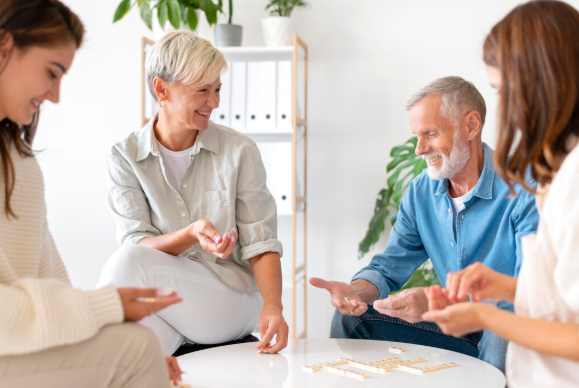
As we navigate the complexities of aging, maintaining mental health becomes increasingly crucial. Each day presents new challenges that can affect emotional well-being, from physical health issues to feelings of loneliness. Yet, engaging in certain activities can significantly enhance our mental health, fostering resilience and joy in daily life. For seniors, these mental health activities help not only to alleviate stress but also to build connections, nurture creativity, and maintain cognitive functions. In 2026, understanding the pathways to robust mental health for the elderly has never been more vital.
Creative Pursuits and Their Benefits
Engaging in creative activities, such as painting, crafting, or writing, can profoundly impact mental health. These forms of expression not only channel emotions in constructive ways but also enhance brain function, improving memory and focus. Creativity thereby acts as both a form of therapy and a medium for self-discovery.
- Boosts Cognitive Function: Creative activities engage multiple areas of the brain, fostering cognitive resilience and agility.
- Encourages Emotional Expression: Art provides a safe space for emotional exploration, effectively reducing stress levels.
- Community Connection: Participating in group art classes can foster social bonds, further enhancing emotional well-being.
The accessibility of artistic endeavors today is unparalleled, enabling seniors to take classes at community centers or on online platforms. By starting small with painting or coloring books, older adults can gradually find joy in creative expressions, enriching their day-to-day lives.
Physical Activity: The Cornerstone of Well-being
The benefits of regular physical activity extend far beyond just physical health—it cultivates emotional well-being, enhances mental acuity, and alleviates stress. Engaging in physical exercise increases blood flow to the brain, thereby improving mood and reducing anxiety. Activities like walking, swimming, or yoga are particularly beneficial and can easily fit into a senior’s lifestyle.
Types of Exercises Suited for Seniors
Different types of exercise can cater to varying fitness levels and preferences:
- Gentle Yoga: This form of exercise promotes flexibility and mindfulness, reducing stress levels significantly.
- Nature Walks: Walking in nature not only provides physical exercise but enhances mood through exposure to natural settings.
- Group Classes: Water aerobics or dancing blends fitness with social engagement, making it fun and effective.
Getting started doesn’t need to be daunting. Introducing short, manageable bouts of exercise can create a sustainable routine, ultimately leading to improved emotional well-being.
Social Engagement and Interaction
In today’s interconnected world, social engagement stands as a robust pillar for mental health in seniors. Loneliness and social isolation can escalate mental health issues significantly, leading to depression and cognitive decline. Thus, encouraging regular social interaction is essential.
Ways to Stay Connected
Various activities can foster social connections:
- Community Events: Joining local groups where similar interests are shared fosters camaraderie and friendship.
- Family Gatherings: Regular family interactions, whether in-person or virtual, maintain familial bonds.
- Volunteering: Offering time to community services not only helps others but also reinforces a sense of purpose.
These social interactions ignite positive emotions and significantly reduce feelings of isolation. Sharing experiences and stories enhances communal ties, creating a network for support that’s invaluable for mental health.
Calming Techniques for Mental Health Enhancement
Practicing relaxation techniques is essential for cultivating mental resilience and emotional balance. Activities rooted in mindfulness and relaxation can effectively combat stress levels, improving overall mental health.
Popular Relaxation Techniques
Implementing a variety of relaxation techniques can positively impact mental health:
- Deep Breathing: Taking a few minutes each day to breathe deeply can lower stress and promote calmness.
- Guided Meditation: Using meditation apps can help in focusing thoughts and fostering a peaceful mindset.
- Journaling: Writing about daily events and expressing gratitude can shift focus away from negativity, promoting a more positive outlook.
Even allocating just ten minutes a day to relax or engage in calming practices can yield significant benefits for mental health, reinforcing a proactive approach to well-being.
| Activity | Benefits | Getting Started |
|---|---|---|
| Creative Projects | Enhances mood and promotes self-expression. | Join a local class or start with simple projects. |
| Physical Exercise | Boosts mood and reduces stress. | Start with short walks or gentle yoga classes. |
| Social Engagement | Combats loneliness and builds community. | Organize weekly gatherings or join local clubs. |
| Relaxation Techniques | Reduces stress and improves emotional balance. | Incorporate deep breathing or meditation into your routine. |
Engaging in any of these activities not only nurtures mental health but also creates a richer, more fulfilling daily life for seniors. By exploring new avenues for expression, connection, and relaxation, older adults can navigate the journey of aging with grace and resilience.
At Casa Del Sol Adult Day Care, they believe that mental health is key to overall well-being.