
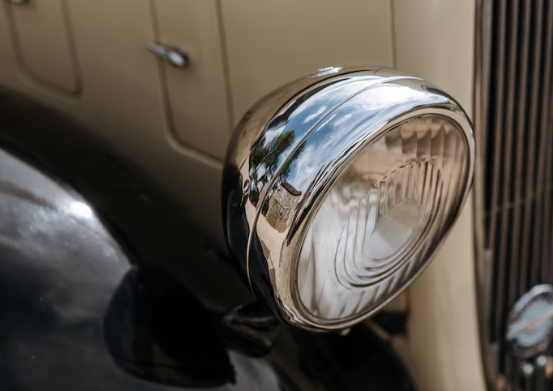
The allure of classic cars transcends generations, offering a nostalgic ride that embodies both style and history. However, the joys of driving these vintage machines can quickly dim when night falls, exposing a glaring issue: inadequate lighting. Navigating the streets in a classic vehicle with outdated headlight technology can be both perilous and frustrating. Fortunately, modern upgrades exist that not only enhance safety but also maintain the authenticity of your classic ride.
Understanding the Importance of Classic Car Lighting Upgrades
A classic car lighting upgrade is not merely an aesthetic choice; it significantly enhances safety and reliability for drivers navigating the modern world. The halogen sealed-beam headlights common in vehicles from the 1930s to the 1980s simply do not deliver the brightness needed for today’s roads where unlit areas are increasingly common. Upgrading to LED technology can transform this driving experience.
Benefits of Upgrading Your Classic Car Headlights
Several distinct advantages emerge when considering a lighting upgrade for classic cars, impacting everything from visibility to reliability.
- Increased Lumens: Traditional halogen bulbs range between 700 to 1,000 lumens. In contrast, modern LED options can produce 3,000-4,000 lumens or more. This increased brightness results in better visibility for both drivers and pedestrians.
- Reduced Electrical Load: Halogen systems consume significantly more energy, often 55 to 65 watts. An LED system, conversely, may function efficiently with just 20-30 watts, placing less strain on the vehicle’s electrical system.
- Longer Lifespan: While a standard halogen bulb has a life expectancy of about 1,000 hours, LEDs can last for 30,000 to 50,000 hours. This longevity translates to less frequent replacements and reduced maintenance costs.
Addressing Safety Concerns
Driving at night presents unique challenges, particularly in classic cars equipped with inadequate lighting. Upgrading headlight systems significantly reduces these risks…
By improving your range of visibility, you can spot obstacles and potential hazards earlier, enabling safer decision-making on the road.
Navigating Legal and Electrical Requirements
Before embarking on any upgrade, understanding legal standards and electrical requirements is crucial. Every vintage car has its unique wiring and voltage specifications, which can complicate the installation of modern lighting systems.
Legal Compliance and DOT Regulations
In the United States, the Department of Transportation (DOT) sets strict regulations regarding automotive lighting. Any upgraded headlight assembly must bear a DOT stamp, indicating compliance with federal regulations concerning brightness, beam patterns, and glare control. Failure to adhere to these specifications can lead to legal repercussions.
Compatibility with Classic Car Electrical Systems
The electrical systems in classic cars are often more fragile and less sophisticated than those in modern vehicles, which creates potential challenges when upgrading headlights. Two primary factors must be checked:
- Voltage Compatibility: Many pre-1956 American vehicles utilize a 6-volt system while newer models typically use 12 volts. Mismatched systems can result in dim lighting or complete failure.
- Polarity Issues: Most current vehicles are negative ground, whereas older models, especially British cars, might use a positive ground system. Using the wrong headlight type can lead to dangerous failures.
Exploring Upgrade Options: Which Technology is Right for You?
With foundational knowledge established, the next step is exploring various upgrade options available for classic car headlights.
LED Headlights: The Modern Favorite
The overwhelming favorite among classic car enthusiasts is LED lighting. They offer unmatched brightness coupled with energy efficiency. Unlike traditional bulbs, which rely on fragile filaments, LEDs are durable and able to withstand vibrations while providing instant illumination.
HID Kits: Brightness with Complexity
High-Intensity Discharge (HID) lights are another option, providing immense brightness. However, they require specialized installation, including an external ballast to manage power. Additionally, the warm-up time necessary for HID lights to reach full brightness can be a safety issue in low-light conditions.
Modern Halogen Options
If you prefer staying true to the classic aesthetic, modern halogen bulbs may be an appealing compromise. These bulbs work in conventional lighting configurations but utilize advancements in gas composition to produce a whiter, brighter light than their predecessors. Although not as powerful as LEDs, they can still enhance visibility significantly.
Whether you choose LED, HID, or upgraded halogen technology, improving your classic car’s lighting can make nighttime driving safer while preserving its timeless character. For reliable classic car lighting solutions and expert guidance, turn to Wired Ridez for products and services designed to enhance your vintage vehicle’s performance and appearance.