
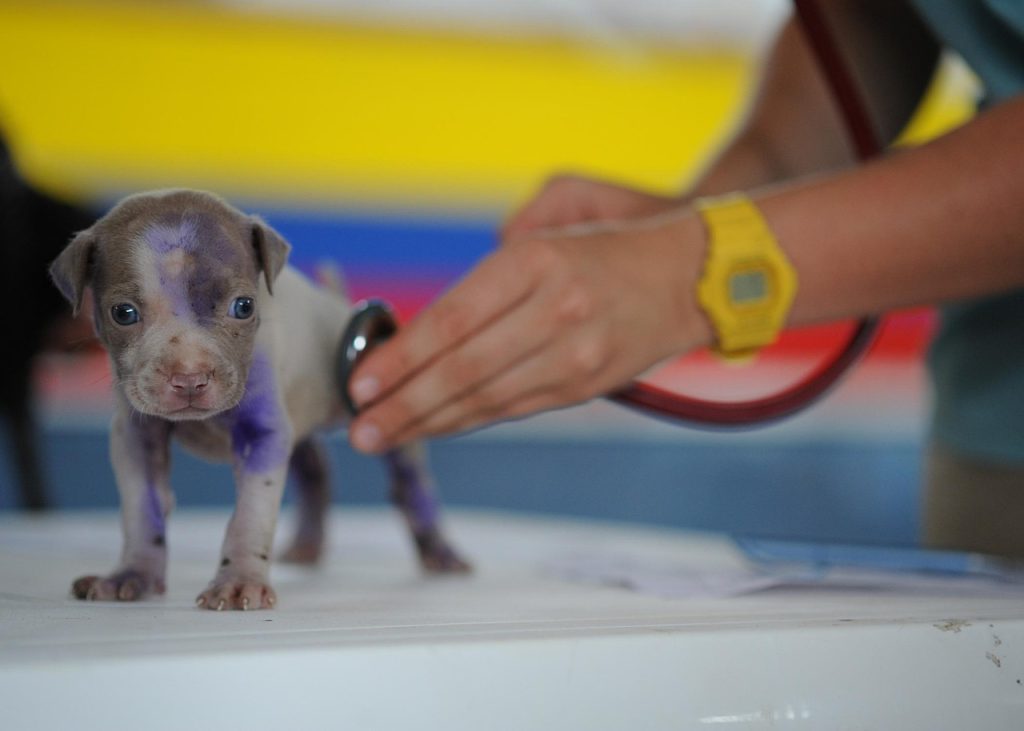
Welcoming a new furry friend into your home is an exhilarating experience filled with joy and anticipation. However, along with this excitement comes the responsibility of ensuring your pet’s health, starting with their first visit to a veterinary hospital. This initial appointment is not just a routine check; it’s a critical evaluation that sets the foundation for your pet’s long-term health. Many new pet owners might think that a first veterinary checkup is simply about vaccinations and a quick look over, but there’s much more to it. From discovering hidden health issues to establishing a tailored wellness plan, understanding what to expect can alleviate the anxiety surrounding that first exam. This guide will unravel the comprehensive checks and evaluations that make up this integral aspect of pet ownership.
Understanding the Importance of the First Pet Exam
When you take your pet for their initial veterinary visit, you are setting the stage for ongoing health assessments and preventive care. This exam is a thorough evaluation of your pet’s overall health—a comprehensive “nose-to-tail” check that evaluates multiple aspects of their physical condition. The veterinarian will assess weight, body condition, heart function, lung capacity, eyes, ears, teeth, skin, and coat. Early intervention for potential issues can significantly enhance your pet’s lifespan and quality of life. Studies indicate that pets receiving regular wellness exams tend to live longer and healthier lives compared to those seen only during illnesses.
Take, for instance, a common scenario: a pet owner discovers that their dog has a minor ear infection just during the first checkup. This discovery not only saves your pet from unnecessary suffering but also proves to be less costly than later treatments for advanced conditions. Regular visits to the veterinarian serve as a preventive measure, allowing for early detection of issues such as heart murmurs, dental diseases, or skin ailments, ensuring comprehensive care for your furry friends.
Common Health Issues Addressed
During the first pet exam, several common health issues are often identified. These range from minor concerns to more serious conditions which may require immediate attention. Here are some prevalent areas your veterinarian might focus on:
- Weight Management: Obesity can lead to a range of health problems including diabetes and heart disease.
- Dental Health: Gum disease is common, and early evaluations can help establish proper dental care.
- Skin Conditions: Allergies or infections can often be detected through thorough examinations.
- Parasite Screening: Intestinal parasites can affect your pet’s health without clear symptoms.

What to Bring to Your Pet’s First Veterinary Visit
Preparation is key when heading into your initial pet visit. Arriving organized can help ensure the appointment runs smoothly and provides the veterinarian with all necessary information. Here’s what to consider bringing:
- Previous Medical Records: If your pet comes from a shelter or breeder, any vaccination records, health certificates, or exam notes are crucial.
- Fecal Sample: A fresh stool sample in a sealed bag allows the veterinarian to test for intestinal parasites.
- A List of Questions: Jotting down any queries beforehand ensures you won’t forget important points during the consultation.
- Current Food Information: Knowing the brand, formula, and daily amount of food can help evaluate your pet’s nutritional needs.
- A Comfort Item: A favorite toy or blanket can ease anxiety for your pet in unfamiliar environments.
- Payment Method: Being aware of accepted payment options prevents surprises at checkout.
Having these items at hand not only streamlines the process but enhances your confidence and prepares you for meaningful conversations about your pet’s health.
Step-by-Step Breakdown of the Veterinary Checkup
Many new pet owners often express curiosity about the sequence of events during their pet’s first veterinary visit. Understanding this step-by-step process can alleviate pre-visit jitters. Here’s a detailed route of what to expect:
| Step | Description |
|---|---|
| Check-In | Provide your pet’s name and any medical records you have. The staff will assist in creating a health history. |
| Weigh-In | Your pet’s weight is assessed, creating a baseline for future health tracking. |
| Technician Intake | A veterinary technician will check vital signs and inquire about your pet’s habits. |
| Physical Exam | The veterinarian will perform a complete evaluation while explaining observed findings. |
| Diagnostics | Depending on needs, further tests like blood work or fecal exams may be advised. |
| Vaccine Review | The veterinarian will discuss and administer necessary vaccines based on your pet’s needs and history. |
| Discussion of Future Care | You will have time to ask questions and receive guidance on ongoing care, including dietary recommendations and behavior advice. |
| Discharge | Finally, you will receive instructions and summaries for any follow-up treatments or medications. |
Finding a suitable veterinary clinic is essential for your pet’s continued health. A welcoming environment with experienced staff can make a significant difference. Contact Animal Medical Center for more informations.