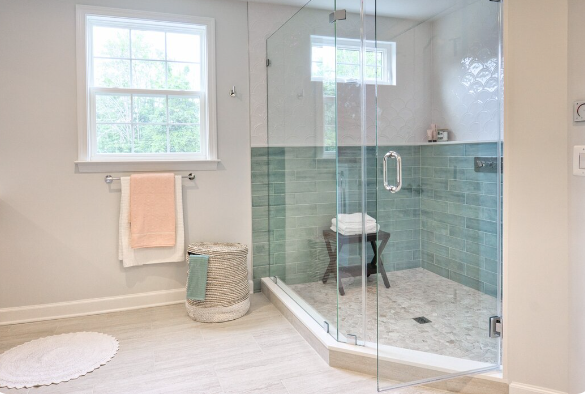
The rising popularity of frameless shower enclosures reflects a broader trend in modern bathroom design that prioritizes both aesthetics and functionality. Homeowners are increasingly drawn to the sleek lines and minimalistic approach that frameless showers provide, effectively marrying innovation with the desire for an open, airy space. Understanding the intricacies of glass thickness, which forms the backbone of these installations, is crucial for anyone contemplating this upgrade. From the safety features provided by tempered glass to the visual impact of various thicknesses, this guide will navigate the multiple dimensions of glass selection to ensure a perfect fit for your shower design.
Understanding Glass Thickness for Frameless Showers
At the heart of any frameless shower installation lies the choice of glass thickness. It’s not merely a matter of aesthetics; the thickness significantly influences stability, safety, and longevity. The common standard thicknesses range from 1/4″ (6mm) to 1/2″ (12mm), but why does it matter? Let’s break down these various options to highlight their specific applications and benefits.
Common Glass Thicknesses and Their Applications
The most frequently used glass thicknesses in frameless showers include:
- 1/4″ (6mm): This lighter option is typically found in framed doors or smaller enclosures. While it is cost-effective, it may not provide the necessary rigidity for larger frameless installations.
- 3/8″ (10mm): Considered the industry standard, this thickness offers a balance between strength and weight. It’s optimal for most frameless designs, ensuring less flex and increased durability.
- 1/2″ (12mm): A premium choice for luxury setups, providing maximum stability and a heavy feel. This thickness is usually reserved for larger and custom showers.
Understanding these measurements allows homeowners and designers to make informed choices that suit their specific needs.
Why Glass Thickness Matters
Glass thickness is vital not just for aesthetic appeal but also for safety consideration. Unlike framed showers that benefit from supportive structures, frameless designs rely completely on the glass. Using a thinner glass, such as 1/4″, might lead to dangerous flexing and potential breakage under daily use.
The following factors come into play when determining the ideal glass thickness for your installation:
- Stability: The thicker the glass, the more stable the installation will be, minimizing undue strain on the hinges and fittings.
- Safety Standards: Building codes typically dictate that frameless shower doors must be made of tempered glass, which, when broken, shatters into small, less harmful pieces.
- Durability: A thicker glass not only adds a luxurious look but also stands the test of time, reducing long-term maintenance costs.
Choosing the Right Thickness for Your Shower Installation
When planning a frameless shower installation, it’s essential to evaluate a variety of factors to determine the appropriate glass thickness:
Size and Design of Your Shower Enclosure
The dimensions and configuration of your bathroom play a crucial role. Larger or walk-in showers generally require thicker glass to withstand the weight and pressure exerted during daily use. On the other hand, smaller, more compact spaces can accommodate thinner options without compromising safety.
Type of Door Mechanism
Different designs have different needs. Hinged doors exert more pressure on the glass, making thicker glass a must-have for safe operation. In contrast, sliding doors generally distribute weight more evenly, which may allow for thinner glass without the risk of flex.
Budget Considerations
While it can be tempting to go for the thinnest option to save costs, investing in thicker glass often proves wise. Thicker glass tends to last longer and requires less maintenance, ultimately saving money in the long run. Consider this trade-off before finalizing your budget.
The Impact of Tempered Glass on Safety and Design
One of the most essential factors in selecting glass for frameless showers is ensuring it’s tempered. This manufacturing process involves heating the glass to high temperatures and then cooling it rapidly, making it significantly stronger than regular glass. Why does this matter for shower installations?
Safety Glass Fabrication
Regular, untempered glass breaks into sharp shards that pose significant injury risks. In contrast, tempered glass crumbles into small, blunt pieces when broken, greatly reducing the chances of serious injuries. This essential feature makes tempered glass a legal requirement for frameless shower enclosures in many areas.
Aesthetic Appeal of Tempered Glass
Beyond safety, tempered glass enhances the visual quality of a shower. Available in various thicknesses and clarity options, such as low-iron glass which reduces the greenish tint found in standard glass, it significantly elevates the overall elegance of a bathroom. This heightened clarity allows for vibrant color representation, making your tiles and design elements truly pop.
For expert installations and customized solutions tailored to your needs, consider exploring the options available with PENA GLASS CORP, where quality meets exceptional design for your bathroom.
Leave a Reply