
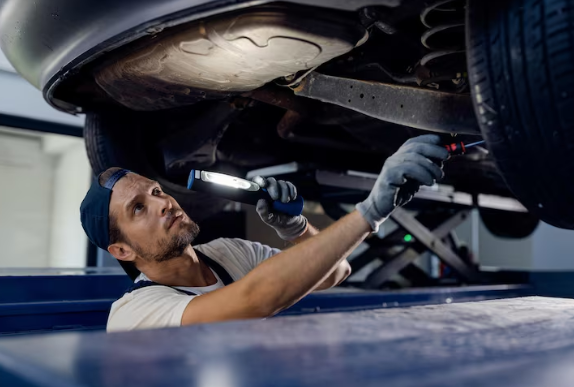
When it comes to vehicle upkeep, the suspension system often gets overshadowed by the more commonly discussed engine and brake components. However, maintaining the suspension is equally important, as it influences your driving experience, safety, and comfort. A well-functioning suspension keeps your tires in contact with the road, absorbs shocks, and ensures smooth handling. Unfortunately, many drivers fail to recognize the warning signs that indicate their suspension needs attention. Learning to identify these signs early can lead to timely repairs and a much safer and more enjoyable driving experience.
Assessing Excessive Bouncing: An Early Warning
One of the most recognizable symptoms of a failing suspension is excessive bouncing. If your vehicle begins to feel like it’s riding on a trampoline after hitting a bump, your shock absorbers or struts may be worn out. These components are designed to absorb energy from road impacts, maintaining stability and comfort during your rides.
A simple “bounce test” can help you assess this condition. Push down forcefully on the front or rear of your parked vehicle and then release it. If your car bounces more than twice before settling, it’s a clear indication that your suspension is not functioning effectively. Excessive bouncing not only makes your ride uncomfortable but also compromises your ability to control your vehicle, especially in emergency situations.
Ignoring worn shocks can lead to a myriad of issues, including:
- Uneven tire wear: Without proper damping, tires may not maintain adequate contact with the road surface, leading to premature degradation.
- Longer stopping distances: A compromised suspension can hinder braking efficiency, thus extending the distance needed to come to a halt.
- Increased wear on suspension components: Worn shocks or struts can put additional stress on other parts, causing accelerated wear and tear.
Addressing excessive bouncing swiftly can prevent further damage. If you notice this symptom, consult with a trusted mechanic who can provide a thorough inspection and necessary repairs.
Understanding Uneven Tire Wear: A Key Indicator
Uneven tire wear is often one of the most visible signs of suspension problems. When the suspension system functions correctly, it ensures that your tires make even contact with the road. However, as suspension parts wear out or become misaligned, tires may show accelerated uneven wear patterns, indicating underlying issues.
Regularly inspecting your tires for abnormal wear is essential. Key indicators to watch for include:
- Bald spots: Areas where the tread has worn down significantly in certain parts.
- Cupping: A scalloped appearance on the tire tread, suggesting poor contact with the road.
- Excessive wear on one side: One side more worn than the other indicates alignment problems possibly caused by suspension issues.
Take the time to run your hand across the tread to feel for any irregularities. If you discover suspicious signs of wear, it’s crucial to have your suspension checked rather than simply replacing the tires. This proactive approach ensures you maximize the lifespan of your tires and maintain safe driving conditions.
Recognizing Steering Issues: Drifting or Pulling
Does your vehicle drift or pull to one side while driving straight? This phenomenon is often indicative of a suspension problem, particularly if you’ve ruled out tire or alignment issues. A well-functioning suspension system provides stability and helps keep your car centered while driving.
Drifting or pulling not only creates frustration for drivers but can also pose a significant safety risk. When your car veers off course, constant steering corrections are necessary, increasing fatiguing during long drives. Furthermore, the problem may worsen at higher speeds.
If you experience this symptom, it’s advisable to consult a certified mechanic who can inspect your suspension and steering components. Prompt intervention can restore your car’s handling and keep you safe on the road.
Examining Nose Diving: A Red Flag for Braking
A noticeable sign of suspension trouble occurs when your vehicle’s front end dips or “nose dives” when braking. This action is particularly alarming, as healthy suspension components should maintain a level ride even during sudden stops.
Nose diving can create an unpredictable braking experience and can lead to an extended stopping distance. This poses significant hazards, especially during emergencies when every inch counts. The added load on your front tires and brakes can accelerate wear, leading to costly repairs down the line.
To ensure your safety on the road, address nose diving issues promptly. Regular inspections can catch this problem before it snowballs into more severe complications.
For professional suspension inspections, repairs, and dependable automotive service, turn to Guiseppe Auto Repair to keep your vehicle performing safely and smoothly.