
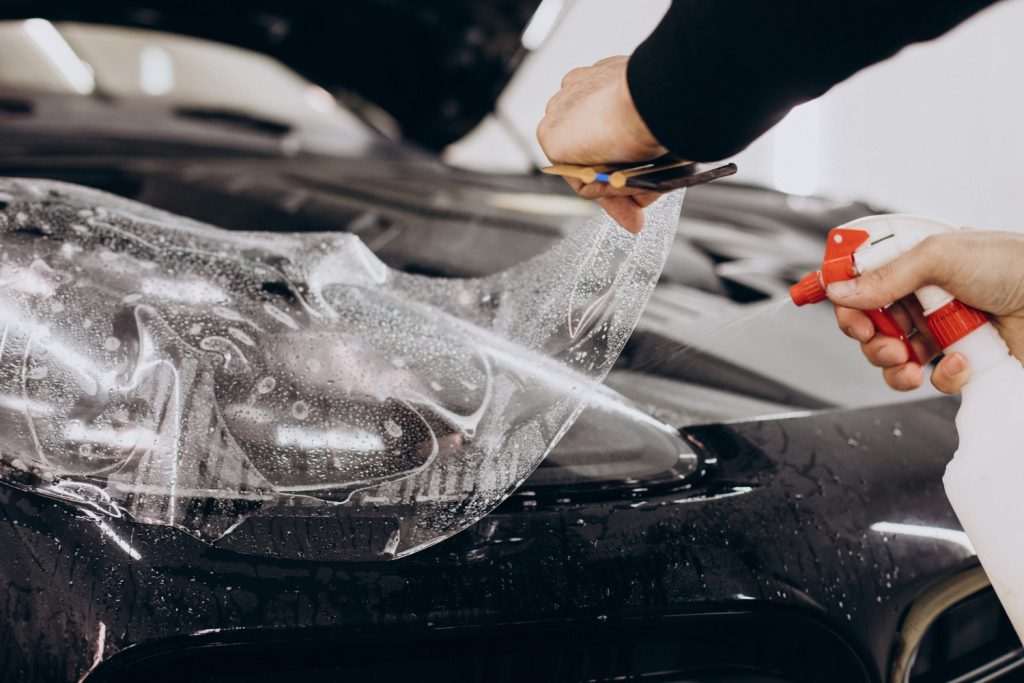
The growing awareness of vehicle maintenance has led to increased interest in paint protection films (PPF). However, misconceptions about these products can prevent car owners from fully benefiting from their features. Ranging from unnecessary luxury costs to concerns about durability and aesthetics, these myths hinder many from making informed decisions about safeguarding their vehicle’s exterior. As car owners continue to seek ways to maintain their vehicles’ aesthetic appeal and resale value, understanding the truth about paint protection becomes crucial. By debunking these common myths and shedding light on paint protection films, vehicle owners can make sound investments that prolong the life of their cars while ensuring they look their best.
Debunking the Myth: PPF Is Only for Luxury Cars
A prevalent myth in the automotive community is that paint protection films are exclusive to high-end luxury vehicles. This misconception could not be further from the truth. While it is indeed common for owners of luxury cars to invest in PPF to maintain perfection, the protective benefits of paint protection films are universal. Any vehicle, regardless of its market segment, can greatly benefit from PPF.
Consider family vehicles, daily drivers, or even vintage cars that might not be luxury branded but deserve protection from environmental wear. These vehicles are also vulnerable to chips, scratches, and fading. Investing in a PPF can help ensure that even ordinary cars remain in top condition, making them more appealing when it comes time to sell or trade them in.
In the realm of practicality, budgeting for a paint protection film becomes far more relevant when considering how long it can prolong the appearance and longevity of a vehicle. Rather than viewing PPF as an accessory for luxury cars, car owners should consider it essential for any vehicle they wish to keep well-maintained.
This myth creates unnecessary barriers deterring many from exploring PPF options. By recognizing that PPFs cater to a wide range of vehicles, car owners can make more informed decisions and ultimately enhance the longevity of their automobiles.
Cost Considerations: Understanding the Value
Many vehicle owners are deterred from considering paint protection films due to perceived high costs. Initial estimates may cause prospective users to hesitate, believing this expenditure to be unwarranted, especially when alternatives like waxing are readily available. However, a crucial point of consideration is the long-term value PPF offers.
While waxing can serve as a temporary solution, it requires regular reapplication, which can add up over time. PPF, on the other hand, represents a one-time investment that can protect against scratches, chips, and sun damage for up to a decade or more. When broken down over its lifespan, the cost of PPF becomes more reasonable in comparison to frequent waxing and touch-ups.
A study from automotive care professionals shows that the cumulative expenses associated with frequent waxing, combined with occasional repainting, can exceed the upfront investment in PPF. By protecting the original paint job, car owners not only preserve their vehicle’s aesthetics but also prevent costly repairs that could arise from neglect.
Ultimately, understanding the cost-benefit ratio associated with paint protection films will enable car owners to make informed choices. High-quality PPFs deliver excellent protection that outweighs the initial expense, ultimately saving money in the long run.
Comparing Costs: PPF vs. Alternative Protection Methods
| Protection Method | Initial Cost | Average Duration | Additional Maintenance Required |
|---|---|---|---|
| Paint Protection Film (PPF) | Moderate to High | 5-10 years | Minimal |
| Waxing | Low | 1-3 months | Regular Reapplication |
| Ceramic Coating | Moderate to High | 2-5 years | Periodical Maintenance |
By evaluating these numbers, it becomes evident that while PPF may require a larger initial investment, it equates to a more economical approach to maintaining a vehicle’s exterior. Investing wisely in vehicle protection ultimately preserves both appearance and value.
The Importance of Professional Installation
When contemplating paint protection films, the choice between professional installation and a DIY method is critical. While DIY kits may appear economical, they often lack the precise intricacies required for effective application. A mistake during the installation process can lead to air bubbles, improper fit, or peeling, ultimately undermining the benefits of the product.
Professional installers bring skills and tools that are specifically designed for PPF application. Their training ensures that the film adheres correctly to unique shapes and curves, an aspect essential for maximizing protection and durability. Additionally, professional services often come with warranties, providing peace of mind in case of any installation-related issues.
Moreover, investing in professional installation can enhance the overall visual appeal of the vehicle. A well-applied film looks almost invisible, preserving the original beauty of the vehicle while offering significant protection. This visual and functional advantage can significantly impact a car owner’s satisfaction over time.
Ultimately, while the upfront investment in professional installation might appear higher than a DIY approach, the benefits in terms of quality, durability, and protection make it a worthy consideration.