Art Programs for Seniors: Adapting Techniques for Limited Mobility
As we age, our physical abilities may change, but the desire for creative expression remains evergreen. For many seniors facing challenges such as limited mobility, the world of art can often feel out of reach. However, innovative art programs are emerging to bridge this gap, providing not just accessibility but also a platform for seniors to connect, create, and thrive. These programs employ adaptive techniques tailored to meet the unique needs of elderly participants, ensuring that the joy of artistry is not hindered by physical limitations.
Adaptive Art Programs for Seniors with Limited Mobility
Art programs specifically designed for seniors with limited mobility are changing lives by providing innovative pathways for creative expression. These programs focus on modifying techniques and tools, making various art forms accessible and enjoyable.
1. Modified Painting Techniques
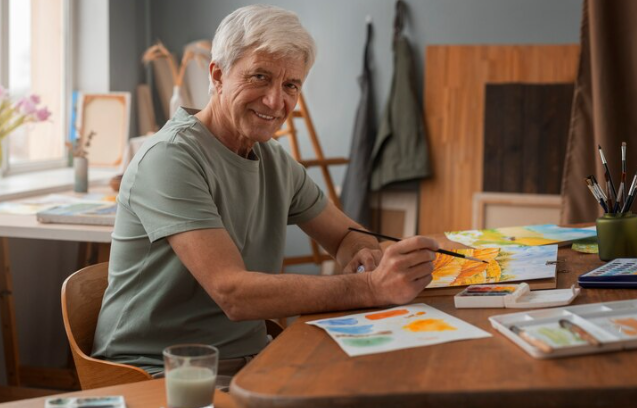
Adaptive painting workshops utilize modified brush techniques that cater to seniors with dexterity challenges. For instance, many instructors teach palm grips rather than finger grips, enabling participants to hold brushes with less strain. Techniques like the underhand stroke, where the brush rests against the palm, allow for broader, expressive strokes without requiring precise finger movements. These adaptations ensure seniors can create beautiful artwork, even when dealing with conditions like arthritis or Parkinson’s disease.
Foam tube grips for brushes
Triangular holders for pencils
Adjustable easels for seated positions
Such modifications empower seniors to embrace their artistic side while minimizing discomfort and frustration.
2. Therapeutic Pottery Classes
Pottery offers therapeutic benefits for seniors, serving as both artistic expression and a form of meditation. Many pottery workshops now feature tools specifically designed for those with limited hand mobility. For example, larger-handled tools allow for easier manipulation of clay, while table-mounted extruders simplify the preparation of materials. Additionally, modified pottery wheels and height-adjustable workstations cater to participants with varying mobility needs.
Working with clay not only enhances fine motor skills and joint flexibility but also promotes cognitive engagement, making it an ideal medium for elderly individuals seeking creative outlets.
3. Accessible Photography Workshops
Photography classes for seniors often include modifications that make equipment easier to handle. Participants can utilize larger camera grips and lightweight devices that require less strength to operate. Focusing on composition rather than technical skills, these workshops encourage seniors to express their creativity through visual storytelling. Simple smartphone photography can be an excellent starting point, allowing them to explore the world around them without the burden of complex camera settings.
Use of lightweight cameras
Larger camera grips for easier handling
Focus on composition and storytelling
Through photography, seniors can capture meaningful moments and engage with their surroundings in a novel way.
4. Knitting and Fiber Arts Innovations
For seniors who love knitting or crocheting, adaptive techniques can transform these activities into accessible and fulfilling hobbies. Ergonomic needles and specialized grips significantly reduce hand fatigue, allowing for longer crafting sessions. Projects like simple scarves or dishcloths are ideal for those starting anew, as they require minimal dexterity while still fostering creativity.
Moreover, group sessions provide not only social interaction but also an opportunity for participants to share adaptive techniques and celebrate each other’s progress.
5. Digital Art and Technology Integration
In the digital age, technology has offered new avenues for seniors to explore their artistic talents. Tablets equipped with touchscreens allow for user-friendly painting experiences, enabling seniors to create without the challenge of traditional tools. Many apps designed specifically for older adults feature large buttons and simple interfaces, making them ideal for those with limited dexterity.
The combination of traditional artistry and technology paves the way for novel creative experiences, allowing seniors to express themselves freely.
Benefits of Engaging in Art Programs
Participating in art programs tailored for seniors brings numerous benefits that extend beyond the creative realm. These activities not only provide a sense of purpose but also enhance cognitive function and emotional well-being.
Benefits
Description
Social Interaction
Art programs foster community and connection among participants, reducing feelings of isolation.
Cognitive Engagement
Creative activities stimulate the brain, improving memory and problem-solving skills.
Emotional Well-being
Engaging in art can elevate mood, helping seniors cope with anxiety and depression.
Encouraging Senior Engagement in Art Activities
Creating opportunities for seniors to engage in inclusive art activities is crucial for enhancing their quality of life. Programs should prioritize accessibility, offering workshops that cater to various physical limitations and encourage participation from all seniors, regardless of their mobility challenges.
Through the combination of adaptive techniques and supportive environments, art programs are redefining the creative landscape for seniors, ensuring that they can continue to share their stories and express their passions. For those interested in exploring art programs fitted to their needs, numerous local and online initiatives offer enriching experiences tailored to the elderly. Contact SENIOR CENTER ADULT DAY CARE CORP. now.
Leave a Reply