The restaurant industry is continually evolving, presenting diners with a vast array of options, especially when it comes to food delivery and dine-in experiences. Recent trends reveal a dichotomy between the rising popularity of food delivery services and the enduring appeal of in-person dining. As consumers increasingly crave convenience and instant gratification, the dynamics of customer loyalty reveal complex preferences that continue to uphold the value of the dine-in experience. This article aims to explore why dine-in experiences still maintain a stronger hold over customer loyalty compared to delivery services, showcasing several facets that highlight the enduring benefits of in-person dining.
The Dine-In Experience: More Than Just a Meal
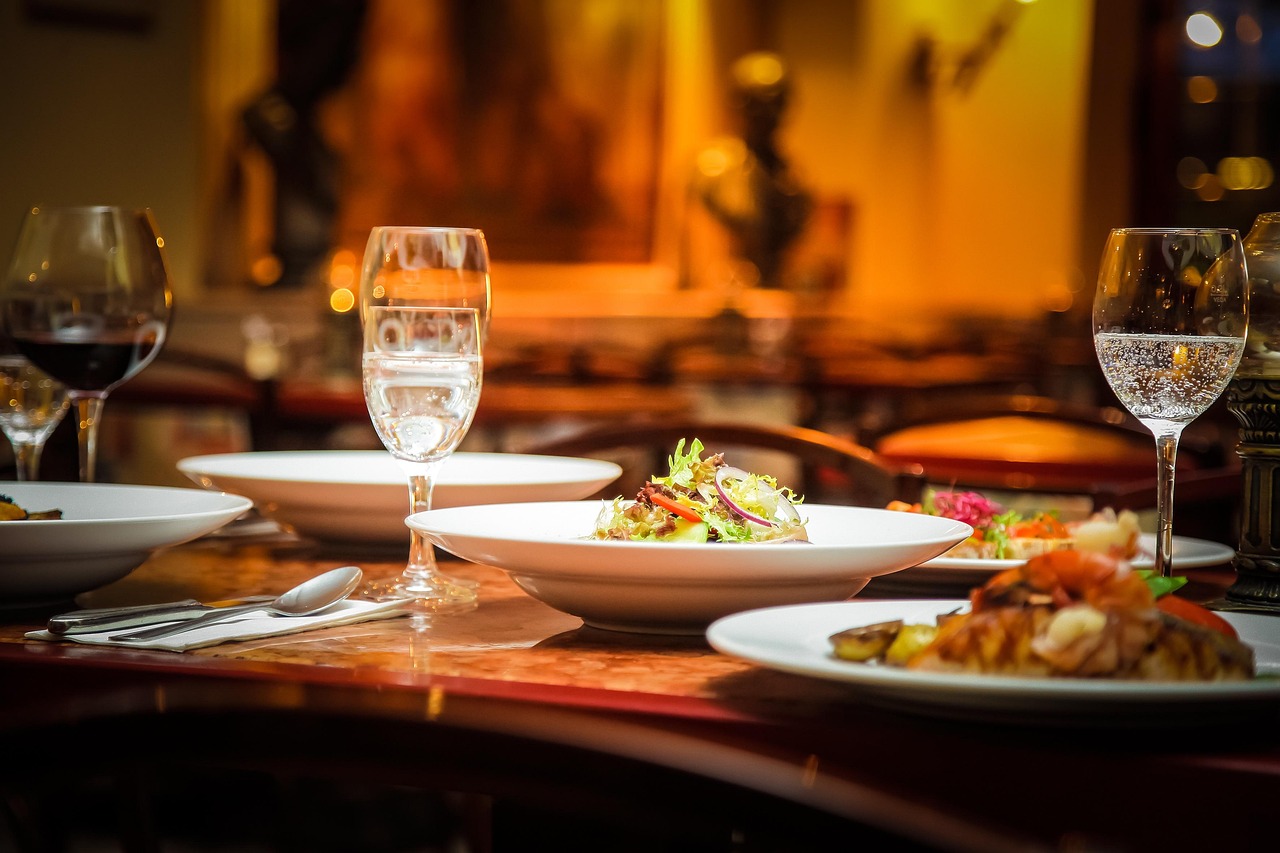
Dine-in experiences present unique advantages that cannot be replicated in delivery services. In-person dining offers a sensory experience—providing not only the taste of food but also the ambiance, service quality, and social interactions that many consumers value highly. Restaurants create an atmosphere designed to enhance dining, from the decor to the background music, which can transform a simple meal into a holistic experience.
Consider the social aspect of dining. Sharing a meal with friends or family allows for discussions, laughter, and memories that are difficult to achieve when food is consumed on the go. The interactions with waitstaff also contribute significantly to a memorable experience; friendly and knowledgeable servers can recommend dishes, create a welcoming environment, and make diners feel appreciated. This level of engagement fosters
customer loyalty, encouraging guests to return not just for the food, but for the delightful experience.
Moreover, the quality of food plays a crucial role. When dining in, customers can enjoy dishes exactly as the chef intended, benefiting from optimal presentation and temperature. Delivery can compromise food quality, with items arriving cold or poorly packaged. A gourmet meal can lose its appeal when it doesn’t meet the expectations of quality. Such discrepancies can impact
customer satisfaction, dissuading them from considering delivery options in the future.
Service Quality: Key to Retaining Customers
The level of service experienced in dine-in restaurants is often unmatched. In-person dining allows customers to receive immediate feedback to their requests, whether it’s a special dietary requirement or a specific condiment. Quick responses provide a sense of connection that is often lacking in delivery services.
High-quality service can make all the difference. When customers feel that their needs are prioritized, they are more likely to develop a sense of loyalty toward the restaurant. Staff training plays an essential role in creating repeat customers; a well-trained team ensures that guests receive attentive service, further enhancing their dining experience.
In fact, data shows that customers who dine in report higher satisfaction rates than those using delivery services. A survey focused on dining preferences found that while 80% of customers expressed satisfaction with dine-in experiences, that number dropped to 70% for takeout and delivery. This striking difference underscores that excellent service is a primary driver for ensuring customer loyalty.
The Emotional Connection: Building Brand Loyalty through Dine-In
Emotional connections are fundamental in building brand loyalty in any industry, and the restaurant sector is no different. Dine-in experiences allow diners to create emotional ties to a restaurant, which is often absent in delivery services where the interaction is limited to just the product.
Restaurants encourage loyalty programs, which can be more effectively utilized during the dine-in process. Customers often receive personalized attention, and they appreciate being recognized by staff who remember their preferences. Frequent diners may feel a sense of belonging, making them more likely to choose a particular restaurant over competitors.
Moreover, personal experiences shared within a dine-in setting foster brand attachment. Celebrating a birthday, anniversary, or achievement in a beloved restaurant creates memories that further solidify emotional connections. Dining becomes an integral part of life events, reinforcing both the experience and customer loyalty.
Challenges Faced by Delivery Services
While delivery services have surged in popularity, they come with inherent challenges that can affect customer loyalty. The unpredictable nature of food deliveries—such as delays, wrong orders, or poor food quality—can frustrate diners. These negative experiences may overshadow the convenience factor that initially attracted customers to delivery services.
Furthermore, with the increase in third-party delivery services, there’s often a disconnect between the restaurant and the customer. Limited accountability can lead to a lack of trust. When customers fail to receive the quality experience expected from the restaurant brand, it can deter them from ordering in the future.
By focusing on an uncompromising commitment to atmosphere and impeccable service,
Galina’s BBQ reminds diners of the irreplaceable value of a meal enjoyed in person.
Leave a Reply