
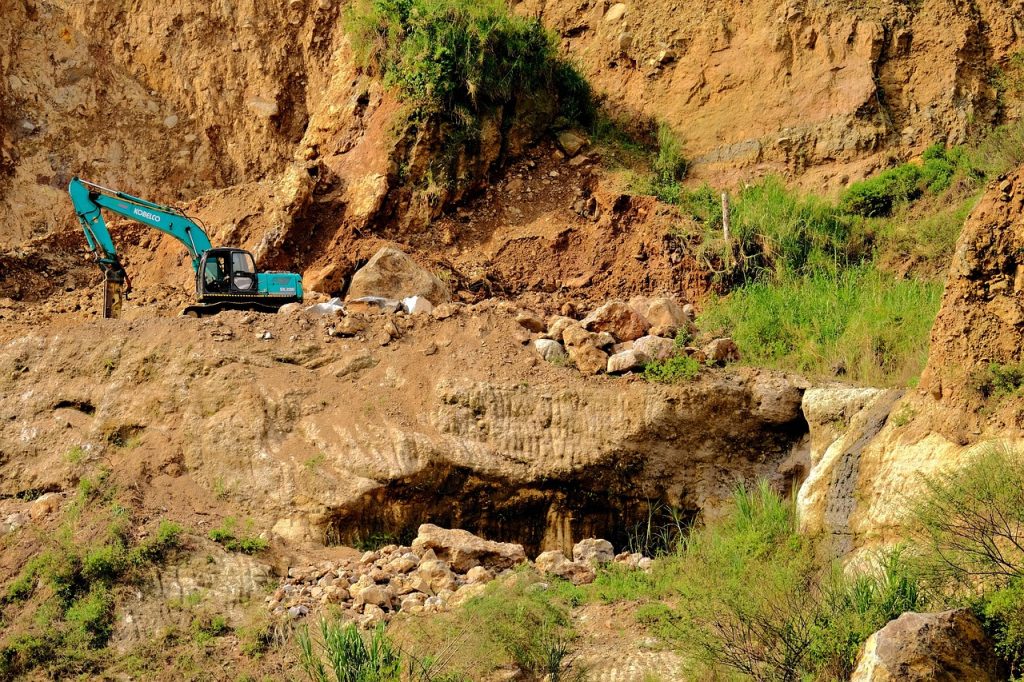
Understanding excavation techniques is essential for anyone involved in construction or civil engineering. Whether you’re a contractor, a site manager, or simply interested in the field, knowing the various methods can drastically impact the efficiency and safety of a project. In just a few minutes, you can grasp the fundamentals of key excavation approaches, each tailored for specific applications and site conditions. Dive in to explore the different excavation techniques that professionals use to ensure precise and effective work in a range of scenarios.
Types of Excavation Techniques
Excavation techniques are categorized based on their applications and the specific job requirements. Below are the primary methods utilized in excavation work:
- Trenching
- Through Digging
- Throwing Digging
- Scraping Digging
- Forward Face Excavation
- Lateral Face Excavation
- Vertical Layer Excavation
- Pit Digging
Trenching: The Go-To for Utility Installation
Trenching is among the most common techniques, especially for projects involving utilities like pipes and cables. This method involves creating long and narrow excavations, allowing contractors to efficiently install essential underground systems.
- Ideal Depth: varies based on local regulations and type of utility.
- Key Tools: trenchers or excavators guarantee precision with their narrow digging capability.
Through Digging: Continuous Channel Excavation
This technique ensures an uninterrupted dig from start to finish, forming channels or trenches without interruption. A continuous approach is vital for larger sites, making it effective for extensive foundation work.
Key Tips: Always analyze soil conditions to adapt excavation strategies effectively and avoid machinery wear.
Throwing Digging: Short Distance Transport
Throwing digging involves scooping earth and tossing it short distances, often to transport vehicles or stockpile areas. This method enhances workflow on smaller projects, such as landfills or localized excavations.
- Best Used For: Quick soil movement with minimal disruption.
- Tip: Maintain precise control to minimize spills and waste during the process.

Scraping Digging: Mastery for Deep Excavations
Utilized for deeper digging projects, scraping digging allows operators to remove soil layer by layer. Control is crucial to ensure stability, particularly for foundations or dredging operations.
Key Insight: Always keep an eye on soil type to adjust techniques as needed to maintain safety.
Advanced Excavation Techniques
Discover how advanced excavation techniques are transforming the way complex construction and infrastructure projects are executed.
Forward Face Excavation: Efficiency at Its Best
This method entails digging from one side of a trench and progressing forward, which streamlines the workflow. It is particularly advantageous in large-scale construction projects where operational speed is essential.
Lateral Face Excavation: Management Made Easy
By digging along the side of a channel or stockpile, this method assists in maintaining continuous material flow. It is excellent for projects needing stable material management during excavation.
Vertical Layer Excavation: Precision for Lengthy Trenches
This approach divides excavations into vertical segments, allowing for meticulous depth control. It’s indispensable for prolonged trench projects requiring uniform depth and width.
Excavation Techniques for Complex Projects
Pit Digging: For Intricate Needs
Pit digging is characterized by its precision, enabling the excavation of individual sections to exact specifications. This technique is often paired with additional tools for leveling or shaping.
- Usage: Typically applied in foundation excavations or detailed landscaping projects.
- Tip: Work with highly skilled operators to assure accuracy.
Safety Practices in Excavation
Excavation work poses inherent risks, making safety an absolute priority. It is crucial that workers wear appropriate protective gear, including hard hats, gloves, and sturdy boots. Additionally, following safety protocols, such as:
- Inspecting sites for underground utilities before digging.
- Implementing shoring or sloping techniques to prevent collapses.
- Conducting regular equipment checks and maintenance.
Such precautions not only protect workers but also promote project efficiency by minimizing unexpected downtime and hazards.
Mastering excavation techniques takes time and experience, but a solid understanding of the various methods can equip you to tackle any project effectively. For further guidance on excavation processes and to find suitable services, feel free to reach out to A&R Landscapes, where expert support awaits.