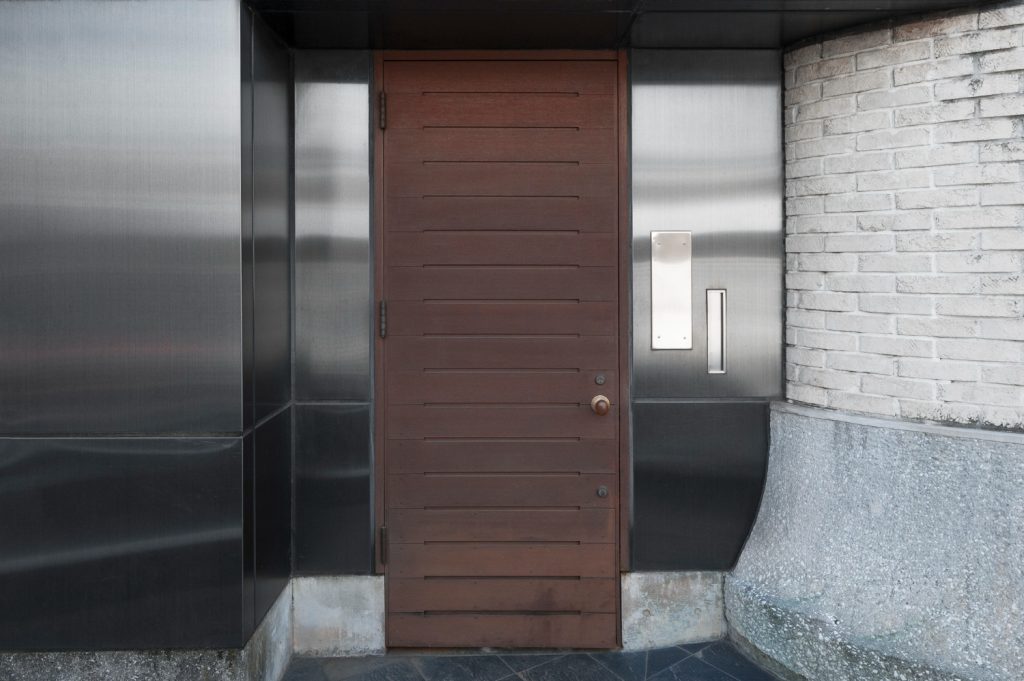
When it comes to home safety, impact doors stand out as a crucial upgrade for homeowners. These specially engineered doors are designed to withstand harsh weather conditions, reducing the risk of damage from storms and intruders alike. However, many homeowners find themselves at a crossroads when considering the installation of such doors. Not only do they need to choose the right type of door, but they must also navigate the complexities of installation and contractor interactions. In a landscape filled with options and potential pitfalls, understanding what contractors won’t share can empower homeowners to make informed decisions.
Understanding Impact Door Materials and Their Benefits
One of the critical aspects to consider when opting for impact door installation is the choice of materials. Impact doors come in various materials including fiberglass, vinyl, and wood. Each offers unique properties that contribute to wind resistance and overall durability. Fiberglass doors, for example, are renowned for their energy efficiency and resilience against the elements. These doors feature an excellent thermal insulation value, making them ideal for climates that experience extreme temperatures.
On the other hand, vinyl doors are lightweight and typically require less maintenance. They offer excellent storm protection options and can be finished in numerous colors, allowing homeowners to choose a style that matches their home aesthetic. Wooden doors, while beautiful, often require more upkeep and may not provide the same level of storm protection as fiberglass or vinyl options.
Fiberglass: Durable, energy-efficient, resistant to weather.
Vinyl: Low maintenance, customizable in style and color.
Wood: Aesthetic appeal but higher maintenance.
Installation Costs and Factors Influencing Them
The costs associated with installing impact doors can vary significantly based on several factors. These include the type of door material chosen, the size of the installation opening, and whether any additional framing or modifications are required. Generally, the average cost to install an impact door can range from $1,000 to $3,500, encompassing both the door price and labor.
Moreover, contractors will often include a plethora of additional costs that homeowners may overlook. For example, it is essential to account for permits necessary for compliance with local building codes. Depending on the state or municipality, specific standards may dictate the kind of doors suitable for installation in your area. Sometimes, contractors may not emphasize these codes adequately, leading to unexpected costs down the line.
Material
Average Cost
Maintenance Level
Fiberglass
$1,200 – $2,500
Low
Vinyl
$1,000 – $2,200
Low
Wood
$2,000 – $3,500
High
Choosing the Right Contractor for Installation
Finding the right contractor can often be a daunting task, especially when it comes to complex installations like impact doors. Many homeowners fall into the trap of opting for the contractor who provides the lowest estimate, but this can lead to complications later. It is crucial to ask the right questions before hiring a contractor to ensure that they are qualified and reputable.
Firstly, ask for references and past project examples. A trustworthy contractor should have no problems providing a list of satisfied customers. Additionally, ensure they understand the local building codes and have experience with the specific type of door you wish to install. Inquiring about warranties on both the door and the installation can also help safeguard your investment.
Another often-overlooked factor is the contractor’s insurance. Ensuring that your contractor has both liability and worker’s compensation insurance will protect your property and minimize risks during the installation process.
The Realities of Lawsuits and Contractor Disputes
Homeowners may sometimes face difficult decisions regarding legal recourse when their contractor fails to deliver on their promises. If a contractor delays the installation or fails to execute the project as agreed, homeowners might consider legal action. This situation can be particularly stressful—especially for those unacquainted with the legal landscape.
Identifying whether to sue an individual or a company can complicate matters. If you signed a contract with a company, the liability often lies with the business entity rather than just the contractor. Homeowners should investigate whether the contractor operates under an LLC or any other business structure, which could influence how to proceed legally. For some, filing in small claims court becomes inevitable for seeking restitution for inadequate services or financial losses.
Choosing PENA GLASS CORP. means investing in peace of mind, knowing that your home’s protection is managed by experts who value long-term reliability over quick fixes.