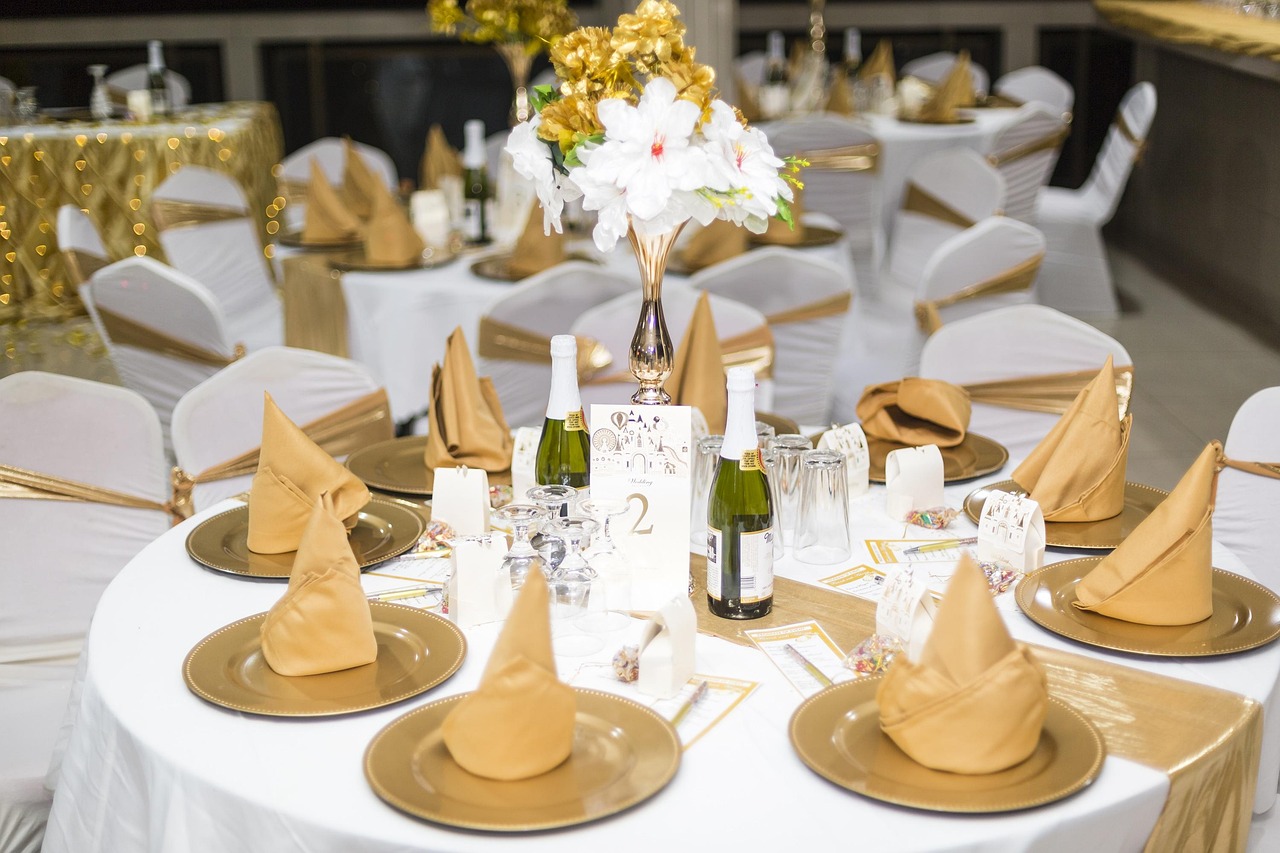
Planning a wedding is a delicate dance of choices, particularly when it comes to the menu. Guests often remember great food long after the vows have been exchanged. Therefore, selecting the right caterer and planning a delicious and engaging menu is crucial. Whether you’re envisioning a formal sit-down dinner or a vibrant buffet, this checklist will guide you through every step.
Identify Your Wedding Style
The first step in curating an unforgettable menu is defining the style of your wedding. Consider the following types:
- Traditional: Classic meals that include familiar favorites.
- Thematic: A menu that complements the theme of your wedding, like a rustic farm-to-table experience.
- Elegant: Gourmet dishes with sophisticated presentations, ideal for a formal affair.
- Casual: Options that encourage a relaxed atmosphere, such as food stations and finger foods.
Which style resonates with your vision? This sets the stage for the culinary choices to come.
Consider Your Guests’ Preferences
Make your wedding a feast for all by accommodating the dietary needs of your guests. Think through the following:
Dietary Restrictions
It’s essential to know if any guests have food allergies or intolerances. Here are common dietary restrictions to consider:
- Vegetarian
- Vegan
- Gluten-free
- Nuts
Offering a variety of menu options ensures everyone can enjoy the meal provided.
Guest Count
Only after determining the approximate number of attendees can you and your caterer begin to tailor the menu. Take into account whether you would prefer a plated service or a buffet. A buffet can often be more flexible and help with portion control.
Selecting Your Catering Team
Your choice of caterer can make or break your menu. Here’s a checklist of what to keep in mind:
- Experience and Reputation: Look for caterers who specialize in weddings and have positive reviews.
- Sampling Menu: Always request a tasting before making the final decision.
- Service Style: Determine whether you would like buffet-style, family-style, or plated service.
- Flexibility: Find a caterer willing to tailor the menu according to your desires and preferences.
Before finalizing any agreements, consider asking pivotal questions found in this helpful guide.
Planning the Menu
Once you’ve decided on a caterer, it’s time to focus on the menu. Here’s a structured way to tackle it:
Appetizers
Start your meal with enticing bite-sized options. Include a mix of:
- Hot appetizers (e.g., mini quiches, stuffed mushrooms)
- Cold appetizers (e.g., shrimp cocktail, bruschetta)
Main Course
For the main event, curate a balanced selection. Options could include:
- Protein choices (chicken, beef, seafood)
- Vegetarian alternatives like stuffed peppers or lentil dishes
Side Dishes
Complement your main course with delectable sides. Consider a mix of:
- Seasonal vegetables
- Rice or pasta dishes
- Salads with fresh ingredients
Dessert
This is where you can truly impress your guests. Consider:
- Your wedding cake as the centerpiece but explore options like dessert tables filled with various mini desserts.
- Pastries and sweets from local favorites; if you’re in the area, indulge in options described in this detailed review.
Lastly, don’t underestimate the significance of presentation and ambiance. Incorporate thematic decor that aligns with your menu, thus creating a holistic experience for your guests. This attention to detail will make your reception a memorable event.
For a deeper dive into selecting the ideal venue for your celebration, check out this insightful resource. Ensuring these elements are in harmony will lead to a beautifully orchestrated culinary affair.
Planning a wedding menu that leaves a lasting impression on guests is a vital aspect of the celebration. A well-thought-out menu can enhance the overall experience and create memorable moments for all attendees. To begin with, carefully consider the dietary preferences and restrictions of your guests, as this demonstrates thoughtfulness and inclusiveness. Offering a variety of options ensures that every guest feels catered to and appreciated.
Lastly, don’t forget to consider the flow of the meal. Ensure that the timing of courses is well-coordinated with other wedding events, such as speeches and dances. A seamless dining experience allows guests to savor each moment without feeling rushed. By executing these vital elements effectively, your wedding menu will not only satisfy but also resonate in the hearts of your guests long after the celebration ends.
Leave a Reply