
Monitoring the well-being of your vehicle’s exhaust system is crucial for both performance and safety. Among the key components within this system, the exhaust manifold plays a significant role by collecting exhaust gases from the engine’s cylinders and channeling them into the exhaust pipe. Unfortunately, wear and tear over time can lead to issues that might compromise engine efficiency and safety. Recognizing the early warning signs of exhaust manifold problems enables you to address them before they escalate into costly repairs or dangerous situations. This article focuses on how to identify these symptoms early, ensuring your vehicle runs smoothly and efficiently.
Understanding the Importance of the Exhaust Manifold
The exhaust manifold serves as an essential component in a vehicle’s exhaust system. Its primary function is to collect exhaust gases produced by the engine’s combustion process and direct them toward the exhaust pipe. This process not only ensures the efficient expulsion of harmful gases but also contributes to the overall performance of the engine. The exhaust manifold is subjected to extreme heat and pressure during the engine’s operation, typically made from materials like cast iron or stainless steel, designed to withstand these challenging conditions.
When functioning correctly, the exhaust manifold contributes significantly to engine performance. However, any failures can disrupt this critical function, leading to a series of issues, such as increased emissions, decreased fuel efficiency, and poor engine performance. Understanding the operation of the exhaust manifold can help you recognize when something is amiss.
The Functions of the Exhaust Manifold
The exhaust manifold’s duties extend beyond merely channeling gases; it helps regulate engine temperature by allowing exhaust gases to exit the engine efficiently. By doing this, it mitigates the potential for overheating—a common issue found in engines that struggle with exhaust gas flow. A well-maintained manifold effectively supports other systems, including the catalytic converter and muffler, thereby contributing to the vehicle’s overall environmental compliance.
Identifying Physical Damage: Cracks and Leaks
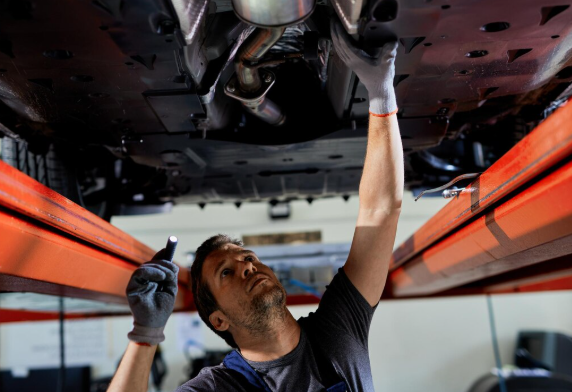
One of the first signs of trouble with an exhaust manifold often appears as visible cracks or leaks. Since the manifold endures constant exposure to high temperatures, it is susceptible to physical damage over time. Regular inspections can aid in the early identification of these problems. Cracks in the manifold can allow exhaust gases to escape before they reach the exhaust system, leading to performance issues and increased emissions.
When you inspect your exhaust manifold, pay attention to the following physical signs:
- Cracks: Inspect carefully for any visible fissures on the surface.
- Discoloration or Rust: Changes in coloring or rust can indicate overheating and ongoing exposure to moisture.
- Leaks: Look for soot or carbon deposits around the manifold; this might indicate a leak.
Don’t ignore these signs; an early diagnosis can prevent further damage that may lead to more costly repairs.
Performance Issues and Their Indicators
A failing exhaust manifold can severely impact your vehicle’s performance, leading to less power and poor acceleration. When the manifold does not function properly, it can cause an imbalance in the air-to-fuel ratio, hindering engine efficiency. This decline in performance can be evident through various symptoms, which include:
- Diminished Power: If you find it challenging to accelerate as before, it may be linked to manifold issues.
- Increased Fuel Consumption: A faulty manifold can cause your engine to burn more fuel than necessary.
- Check Engine Light: Often, issues with the manifold will trigger warning lights on your dashboard.
By keeping an eye on these performance indicators, you can maintain engine efficiency and address emerging problems early.
When confronted with the prospect of repairing or replacing your exhaust manifold, one must consider the options available. For those with the requisite skills, a DIY approach can save on labor costs. However, it requires careful preparation and the right tools. Mistakes during self-repair can lead to further complications, which may be costlier than hiring a professional.